Sleep retreat
A sleep retreat is a stay centred on better sleep: with rest, exercise, daylight, light food and often advice on your sleep habits.
- Duration
- Usually 4 to 7 nights
- Typical
- Daylight, exercise, relaxation, advice
- Well proven
- CBT-I for insomnia
- Suits
- Stress, exhaustion, restless sleep
Poor sleep has many causes: stress, irregular hours, too little daylight, alcohol in the evening or a screen until just before falling asleep. A sleep retreat tackles exactly that. You get out of everyday life, spend a lot of time outdoors during the day and find a steady rhythm again.
Typical are exercise in the fresh air, relaxation such as yoga or breathing exercises, a light dinner, spa and warmth. Some houses measure sleep with sensors or offer sessions with doctors and coaches. For insomnia the best-proven approach is cognitive behavioural therapy, CBT-I for short; elements of it often feature in the advice.
Honestly: a few nights at a hotel will not solve years of insomnia. But they can show you what helps and give you a plan for home. If you snore loudly, stop breathing at night or can hardly stay awake during the day, have it checked by a doctor, for example in a sleep lab.
Good to know
- Ask whether sleep is really measured and discussed, or whether it is mainly about the spa.
- Do not stop or start sleeping pills on your own.
- The plan for home matters more than the pillow menu.
At Luxly
Houses where you can experience it:
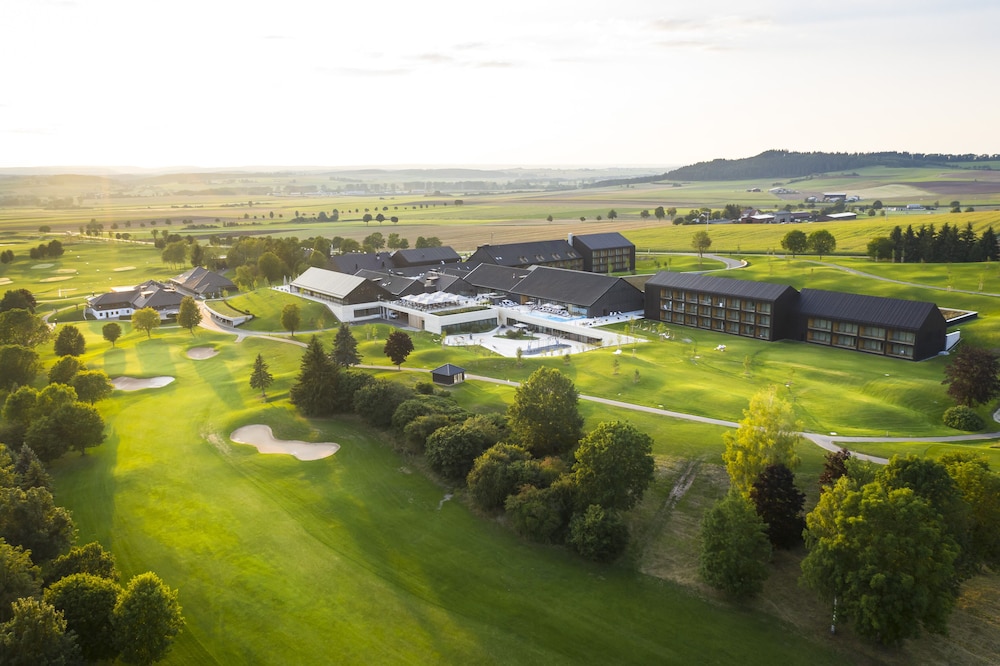 Der ÖschberghofDonaueschingen, Black ForestLongevity Center with a dedicated focus on sleep.
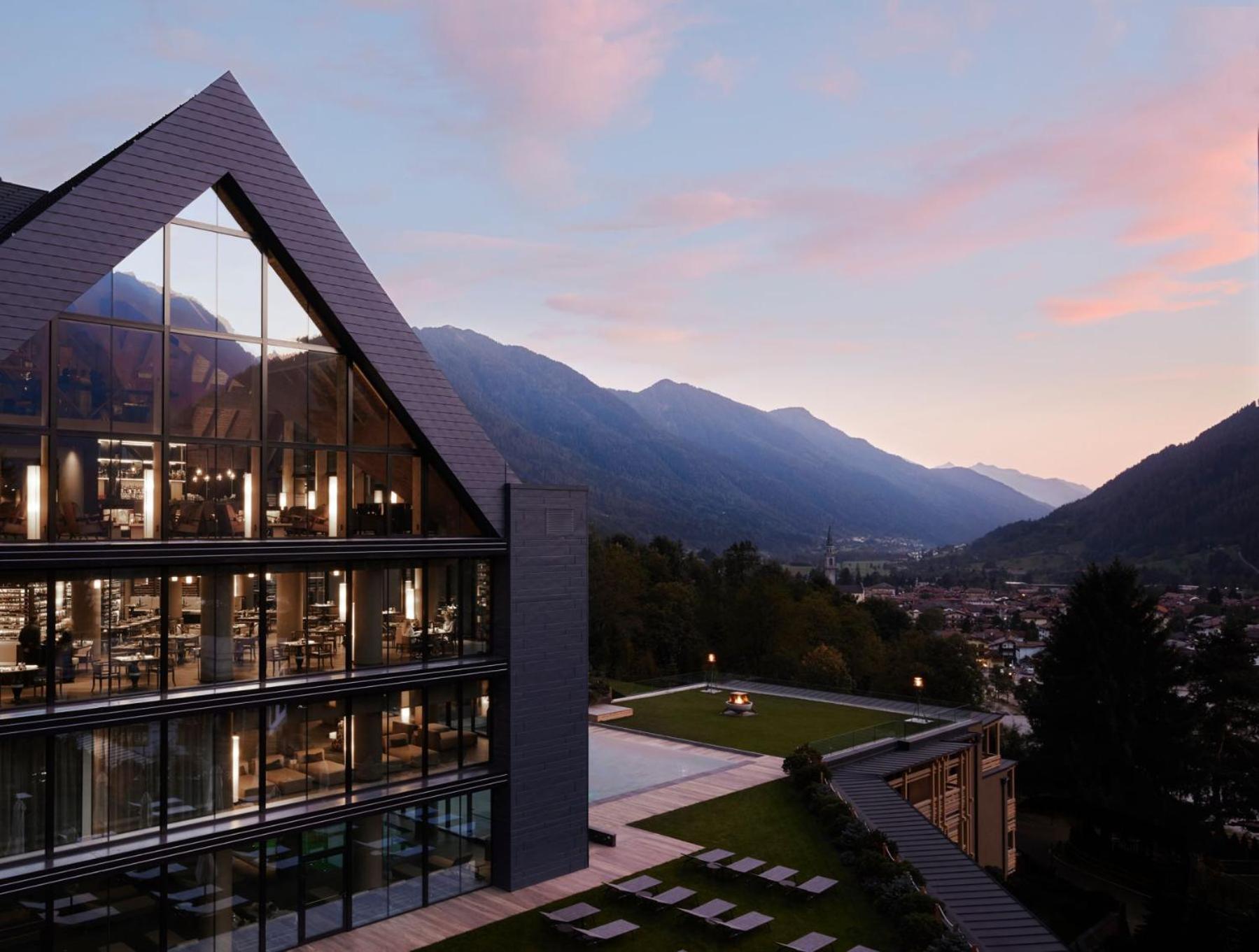 Lefay Resort & SPA DolomitiPinzolo, TrentinoSilence, mountain air and the Lefay SPA Method in the Dolomites.
 Gräflicher Park Health & Balance ResortBad Driburg, Teutoburg ForestA 64-hectare park and plenty of calm in Bad Driburg.
Frequently asked questions
What do you do on a sleep retreat?
Plenty of daylight and exercise, set times, relaxation, a light dinner and often advice on your sleep habits. Some houses also measure your sleep.
When does sleep belong in a sleep lab?
With loud snoring and pauses in breathing, severe daytime tiredness or insomnia lasting for months. Then see your GP first.
Related terms
Updated on 17 October 2026